
Key Projects
for 2026-27
Regenerative
Agriculture
A School Farm
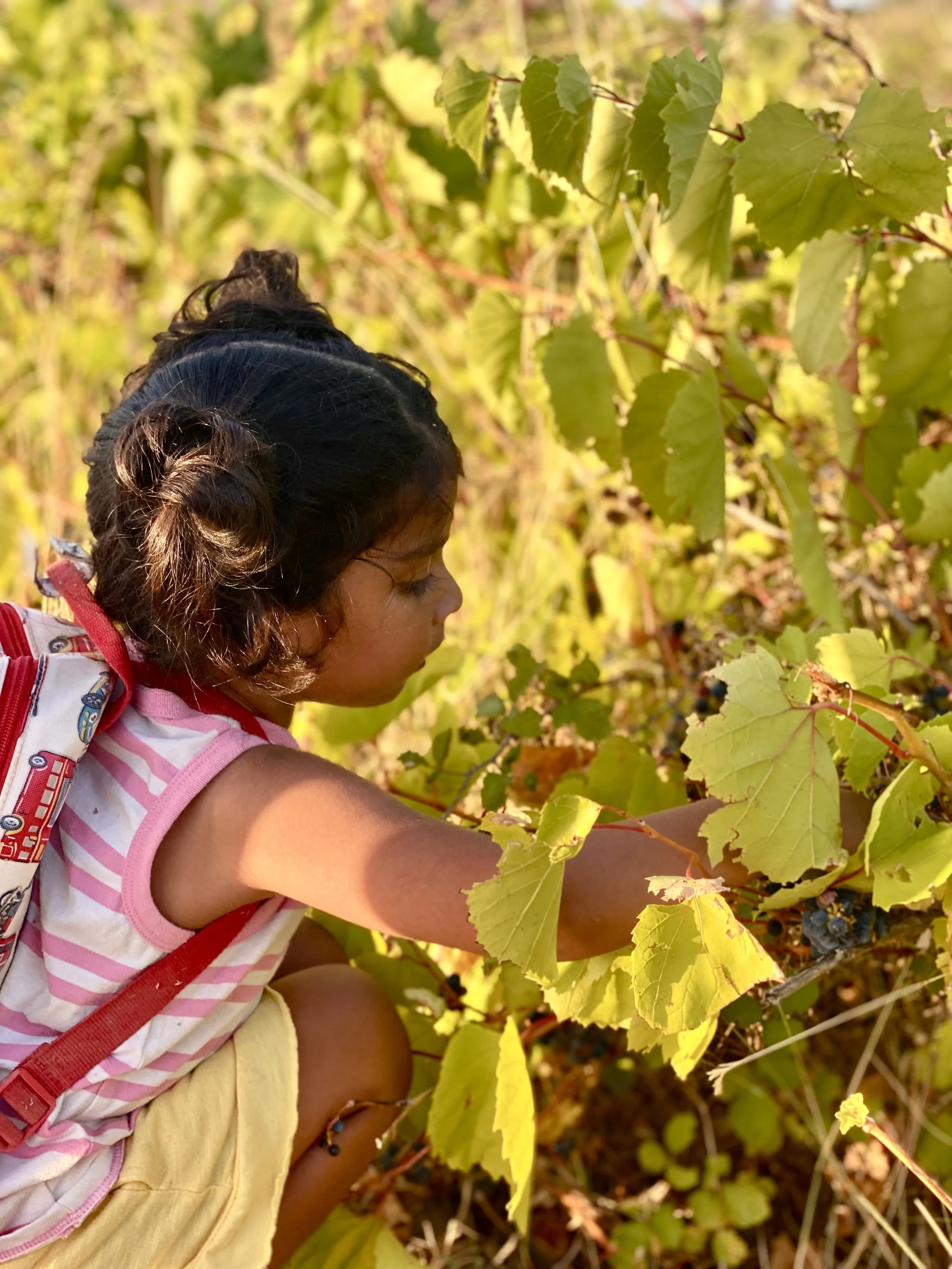
Context: Hvar has been an agricultural community for upwards of 5,000 years. It is a quilt of small-holder vineyards and orchards. Most families have a small garden for personal use. But this connection to the land is slipping away - farmers are aging and many fields already lay fallow.
Problem: There are no teaching farms on the island that implement organic or regenerative practice in a systematic way in order to bring new people into farming. Likewise people wishing to farm organically or regeneratively must produce everything themselves - compost, mulch, seeds, and more - because there is nowhere to buy these elements in Dalmatia. There are also go-to-market issues.
Solution: The Field School of Hvar will work with local partners and assets to build up a regenerative agricultural ecosystem. Over time, we aim to stand up a farm:
Where children and adults can learn about natural science, build agricultural skills, and study foodways. This will gradually increase the number of people who know how to grow food organically on the island.
Where students, faculty, and volunteers can grow seasonal ingredients for most of The Field School’s meals and snacks, ultimately including a canteen that could serve parents and other people on the island.
Where students and scientists can research regenerative agriculture practices for the Mediterranean biome with rigor. How do we capture carbon? How do we limit water loss? Which fertilizers, seeds, and pest management techniques work here?
Where students can sell organic compost, fertilizer, pest management materials, mulch, seeds, and seedling on a commercial scale, lowering the barrier to entry for organic agriculture across the island of Hvar and beyond.
2026-27 Goal: These larger goals will take years to achieve. In the upcoming year, Field learners, Guides, and parents will take the first steps towards achieving this vision. Our goals are:
Establish an ongoing regenerative garden, where children can learn about biology and harvest vegetables and herbs for snacking.
Establish a strategy for producing core inputs, particularly compost and mulch, which this project needs consistently in large quantities. We will work with regional permaculture experts and farming facilities to use existing agricultural waste (particularly from the grape and olive harvests) for this purpose.
Plan
Pre-season, Teacher Training
Guides with a strong interest in agriculture will fill gaps and hone their lesson materials with training on a regenerative farm on the Croatian mainland.
Summer, Growers
Throughout the summer, The Field School preschool program will visit our school garden every weekday, taking responsible for tasks such as watering, pest control, and weeding that must be performed frequently, while learning about natural cycles, plants, nutrition, food, and ecology.
Academic Year, Biology Project
The garden will be the focal point for project work during the academic year, serving as a living laboratory for biology, anatomy, and taxonomy. After several weeks of study, our oldest learners (ages 13-15) will get to spend several nights at an organic teaching farm on mainland Croatia to get expert training on a specific aspect of the farm, such as soil amendment in the fall and propagation in the spring. They will spend the rest of the term sharing their knowledge with classmates and implementing what they have learned to take their school garden to a new level.
Related Roles
Faculty
In the summer, our “Growers” team or Early Years faculty will visit and maintain our garden on a daily basis.
In the fall, our Elementary and Secondary level Biology teachers will join Early Years to focus on the challenge of generating compost from harvest waste.
In the spring, our focus will turn to propagation, and creating a basic nursery operation.
Outside Experts and Partners
Outside experts are essential for training our faculty and providing advanced education to our older learners. We plan to work with Mrvica, a permaculture farm on the mainland, near Split.
Local partners bring critical assets and are key for establishing an enduring ecosystem on the island. Our partners will include the local high school, which has an agricultural education program and field; the municipal waste office, which can help us gather cuttings for mulch; and the communal olive and wine presses, which also provide a large volume of green waste for compost.