
Key Projects
for 2026-27
Zero Kilometer
Schoolwear
Wear from Where
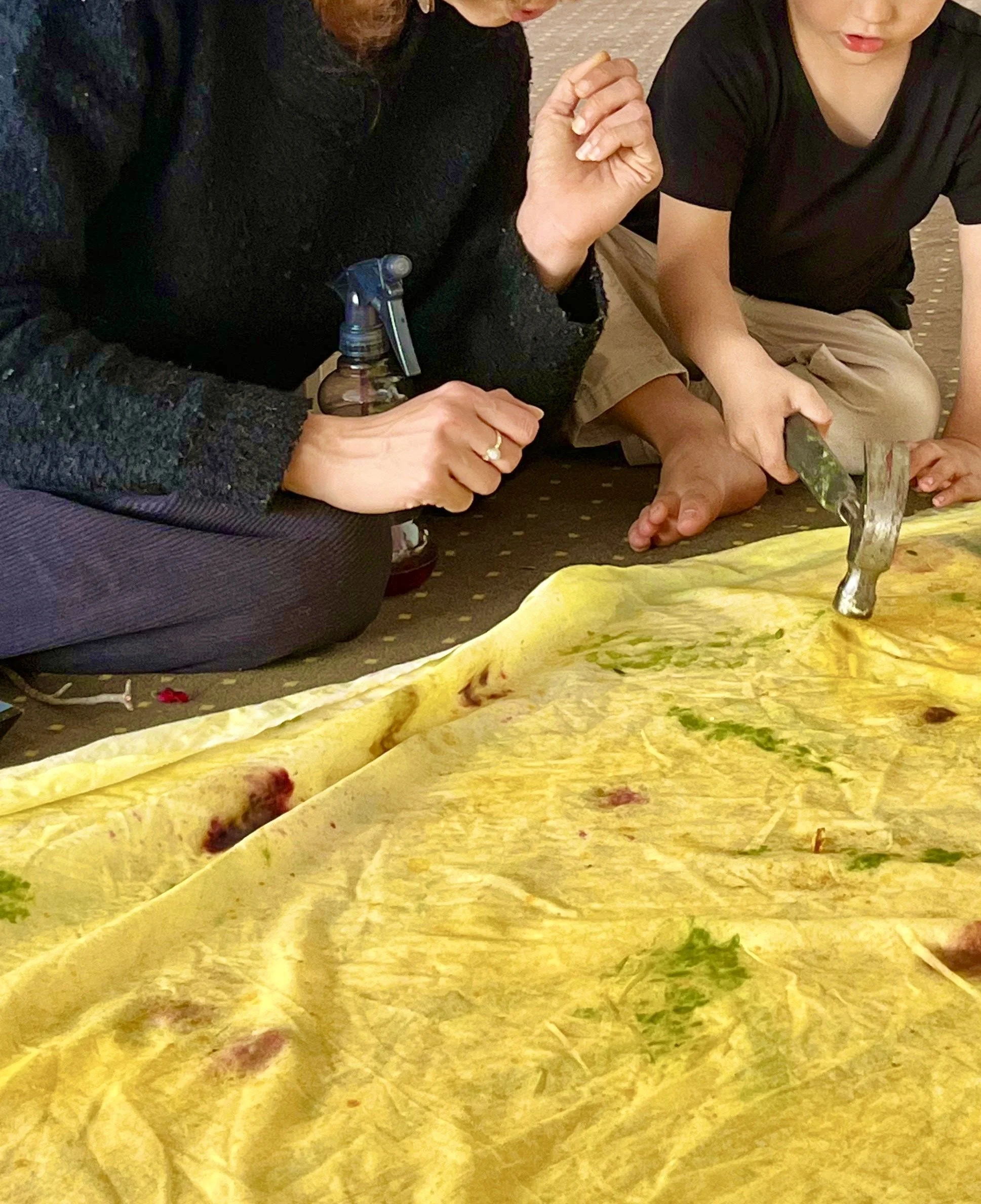
Context: The apparel industry is the second leading polluter on the planet. Fast fashion relies on petroleum-based textiles and undermines identity in order to generate demand for its products. These patterns of production displace local traditions and deeper notions of beauty and self-esteem.
Local Problem: There is no clothing repair or second-hand shop shop on the island. Aside from H&M and Zara, there are no affordable shops to buy children’s clothing.
Solution: What if a school uniform were made by the kids who wore it — from scratch, based on dyes, history, and materials of their locality, for a "collective wardrobe" that reduces everyone's waste and family expenses? Over time, we aim to create:
A circular apparel system within The Field School community that is fun, functional, thoughtful, and easy on the planet.
A community mending and DIY workshop at The Field School of Hvar that invites kids and adults from the island to learn about quality in clothing, to keep favorite pieces longer, and to develop their style beyond labels.
A network of suppliers for natural dyes and textiles, maintaining the economic viability of shepherding and restoring the diversity of cultivated plants on the island.
2026-27 Goal: Parts of this larger vision will take years to achieve. In the upcoming academic year, Field learners, faculty, and friends will make tangible progress towards these big goals in the following ways:
Children produce a “first draft” of a new kind of school uniform - one that emphasizes expression, practicality, and authenticity. To this end, students will research the material anthropology of Hvar - present and past - and the technologies and social symbolism of clothing in the ancient civilizations who lived on the island: prehistoric hunter-gatherers, neolithic farmers, Illyrians, Greeks, and Romans.
The Field School will create a simple mending and making studio, where children and adults can access tools, expertise, and fellowship in upcycling their garments.
Plan
Early Season, Teen Innovators
High school students from California, Korea, and Croatia will analyze the ways in which school and camp communities cycle through apparel and other seasonal goods, researching the visual symbolism of Dalmatia, to develop directions and questions for future exploration.
Summer, Makers
Learners ages five through twelve in the Makers will develop a repertoire of local textile techniques and symbols by each creating a bag, which they will personalize through heritage skills like agave embroidery, dying with wild plants, pattern-making, and wool felting.
Academic Year, School Uniform
During the academic year, learners will dive into the apparel of ancient civilizations, especially mesolithic hunter-gatherers, neolithic Hvar Culture, bronze age Illyria, classical Greece, and finally Rome. By default, all of these cultures had zero-waste apparel industries. Children will take what they learn from these cultures to design an apparel system or “uniform” for the school.
Throughout the summer and academic year, The Field School of Hvar will host consistent weekly workshops and mending hang-outs for the broader public, building a community of hobbyists around textile arts.
Related Roles
Faculty
In the summer, our “Makers” Guide will lead successive groups of learners and host weekly workshops related to mending and natural clothing techniques.
In the fall, our Elementary and Secondary level Humanities teachers will lead student research on clothing in the ancient world, as well as the complex challenge of designing a school wardrobe.
Fellows
The Field School will recruit four residential Fellows to support this work.
Our Regenerative Leadership Challenge, a program for teens in early summer, will feature a specialist in Croatian material anthropology or ethnography and a leader in the mindful fashion movement.
During the academic year, a classicist will support student research into the ancient history of garments, and an educator specializing in textile arts for children will lead instruction in specific techniques.