
HERITAGE
SUSTAINABILITY
Zero Kilometer Schoolwear Fellowship
From Where to Wear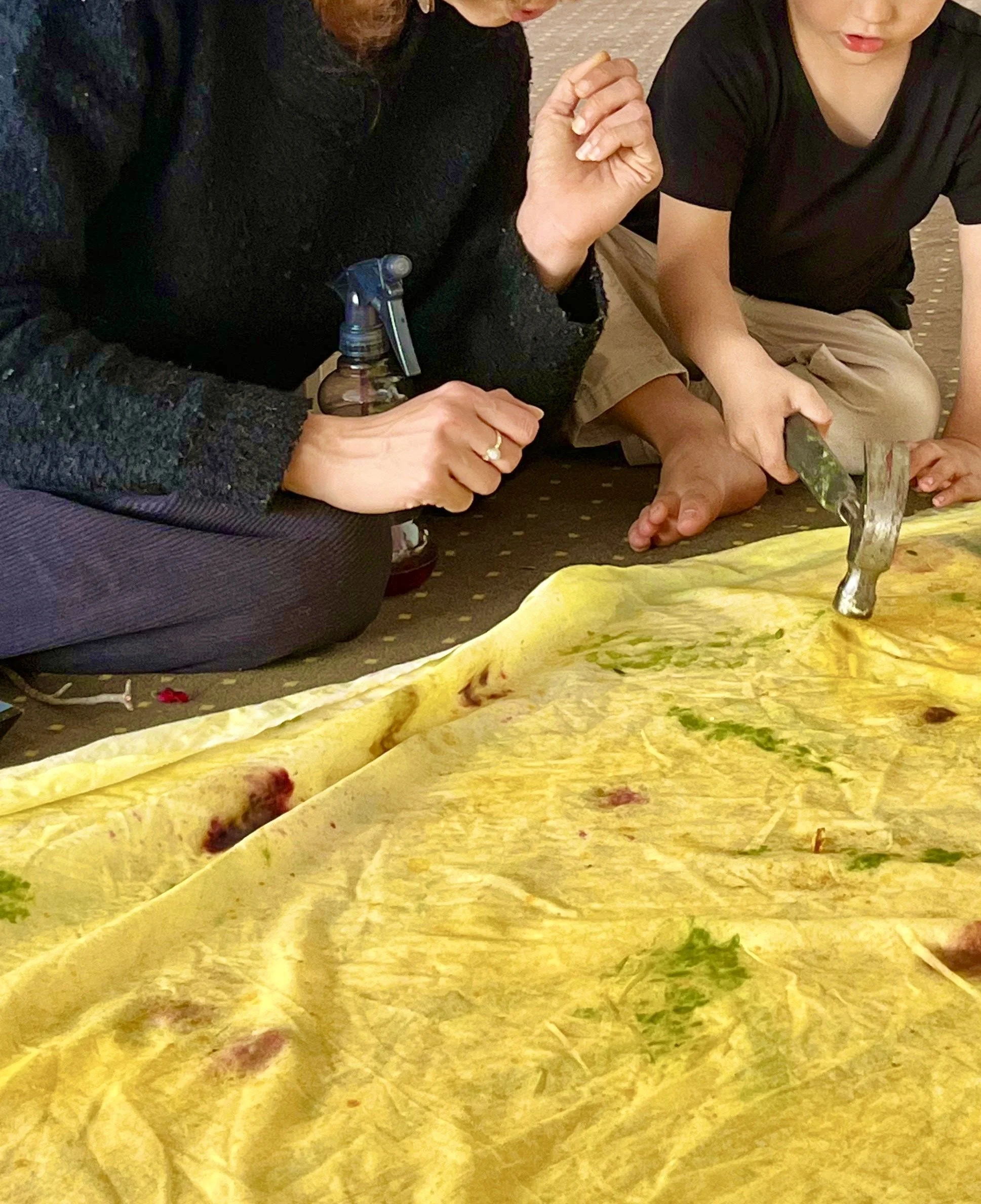
On Hvar, zero kilometer eating is a way of life — fish from the sea grilled with oil from the orchard, enjoyed with wine from the trellis.
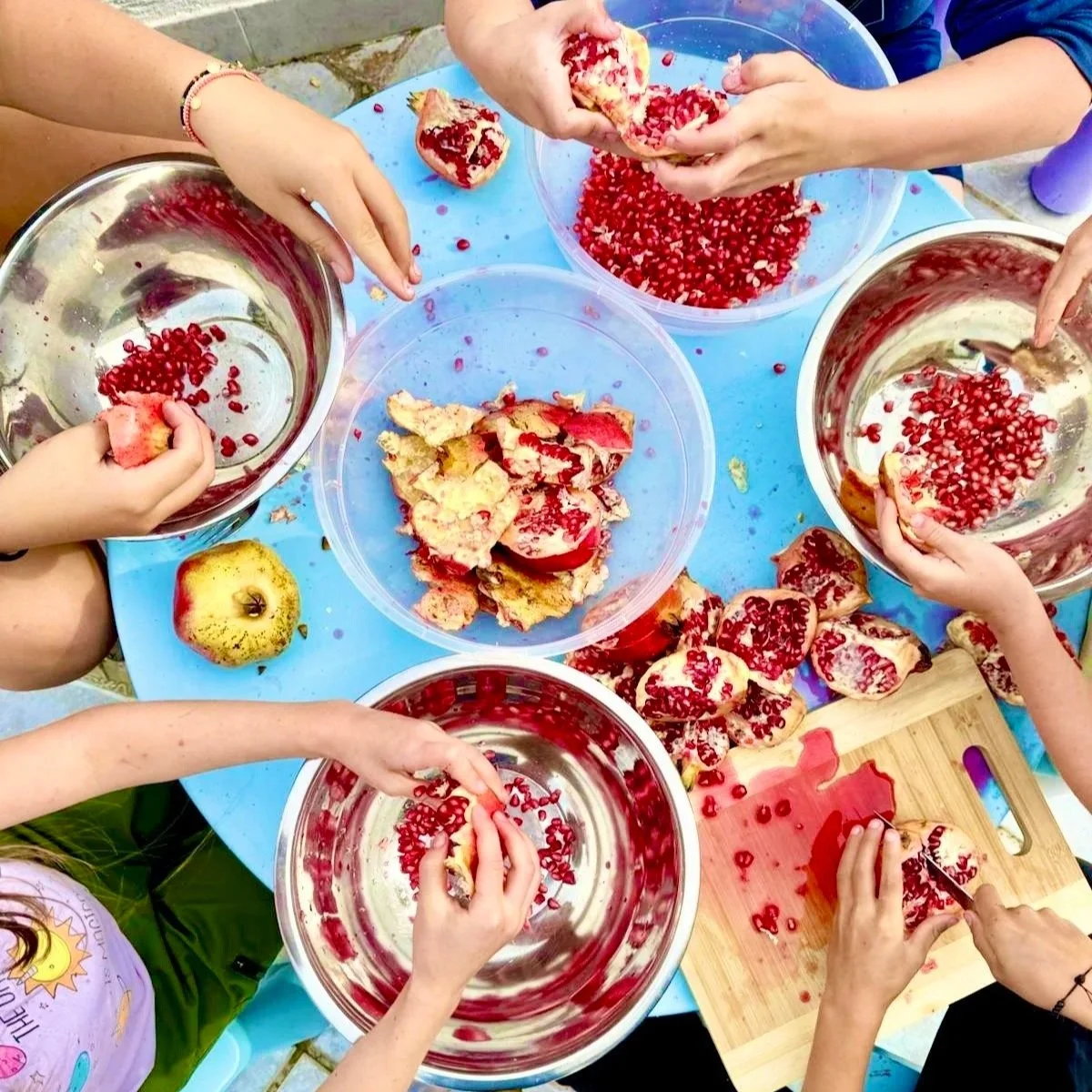
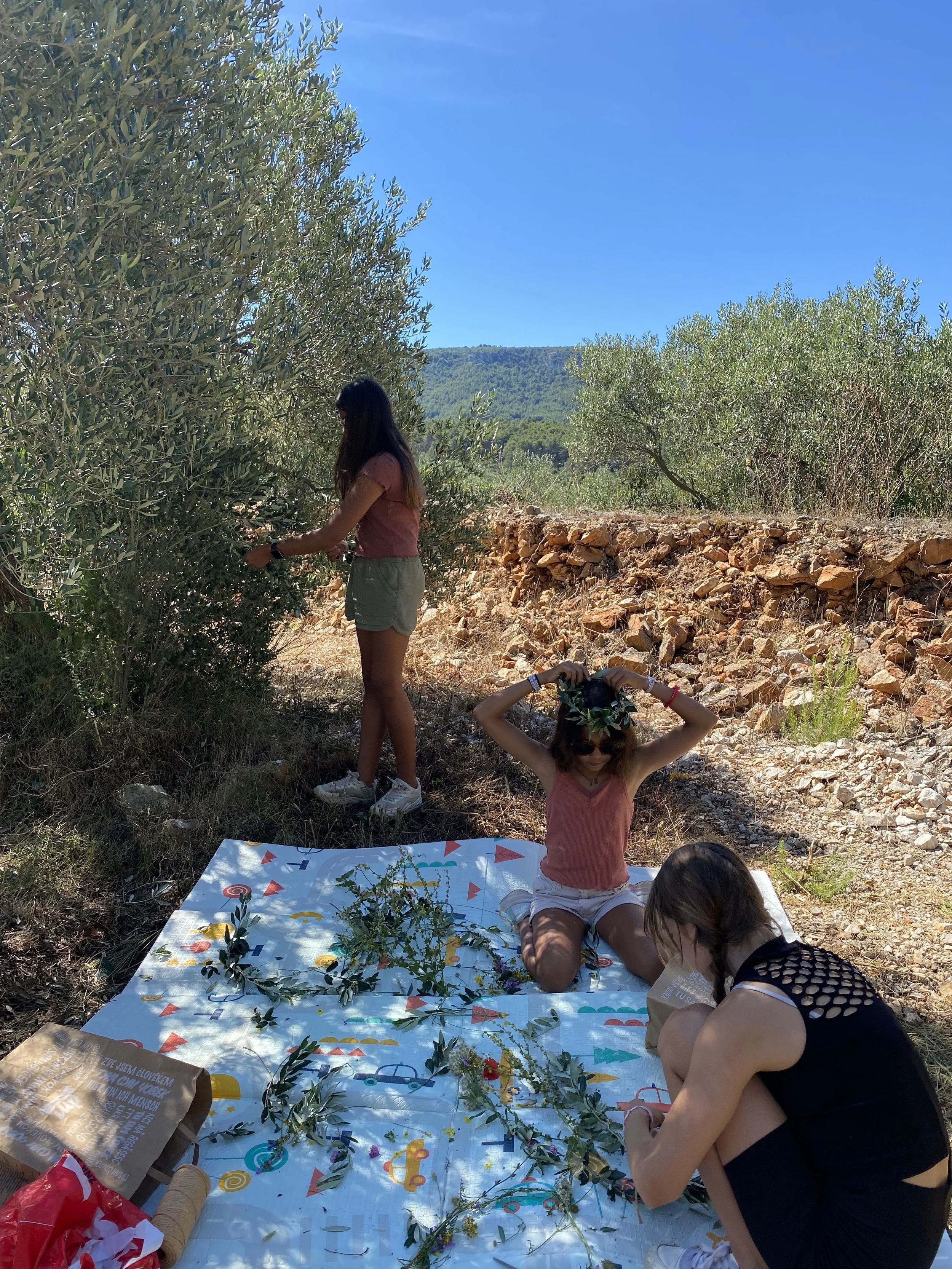
But what about apparel? For most of human history, clothing was just as rooted as food. Dalmatian flax grew in the field, was retted in the sea, spun at home, and worn by the family that tended it. Wool came from the sheep on the karst. Color came from walnut hulls, pomegranate, and wild fennel. Nothing traveled far. Nothing was wasted.
The Field School's Zero Kilometer Schoolwear Fellowship invites a practitioner to spend time with us, mentoring faculty and inspiring our children to design something that has never existed before: a “school uniform” or community wardrobe built from the ground up by the children who will wear it.
The Fellowship
-

Role
Field Fellows join our community as a contributing expert, mentoring our faculty on a dimension of place-based apparel that draws on your knowledge and practice. Expect a commitment of about one active day per week of problem-solving and planning with our teachers, as well as direct instruction or dialogue with our learners. In addition, this fellow will probably want to spend time exploring the island as research and inspiration.
-

Reciprocity
We have two fellowship offers. In the early summer, we can provide ten days of accommodation in a private hotel room at the Fontana resort, directly on the sea and ten minutes from a charming village. This is a great fit for a couple or single person without children at home. In the fall, we can provide a full scholarship for the Fellow’s children. This suits homeschoolers and other families ready for an adventure.
-

Storytelling
We'd love to be part of your story if this experience moves you, and we ask for one long-form piece (a podcast episode, Substack essay, or video) within 90 days of your residency, provided that it feels like a natural fit.
-

Dates
The summer session runs June 17-July 2, 2026 with some flexibility. The fall session runs from September 7-November 28, 2026.
THE PROJECT
How does where you’re from show up in what you wear? What happens when you express yourself through what you make rather than what you buy?
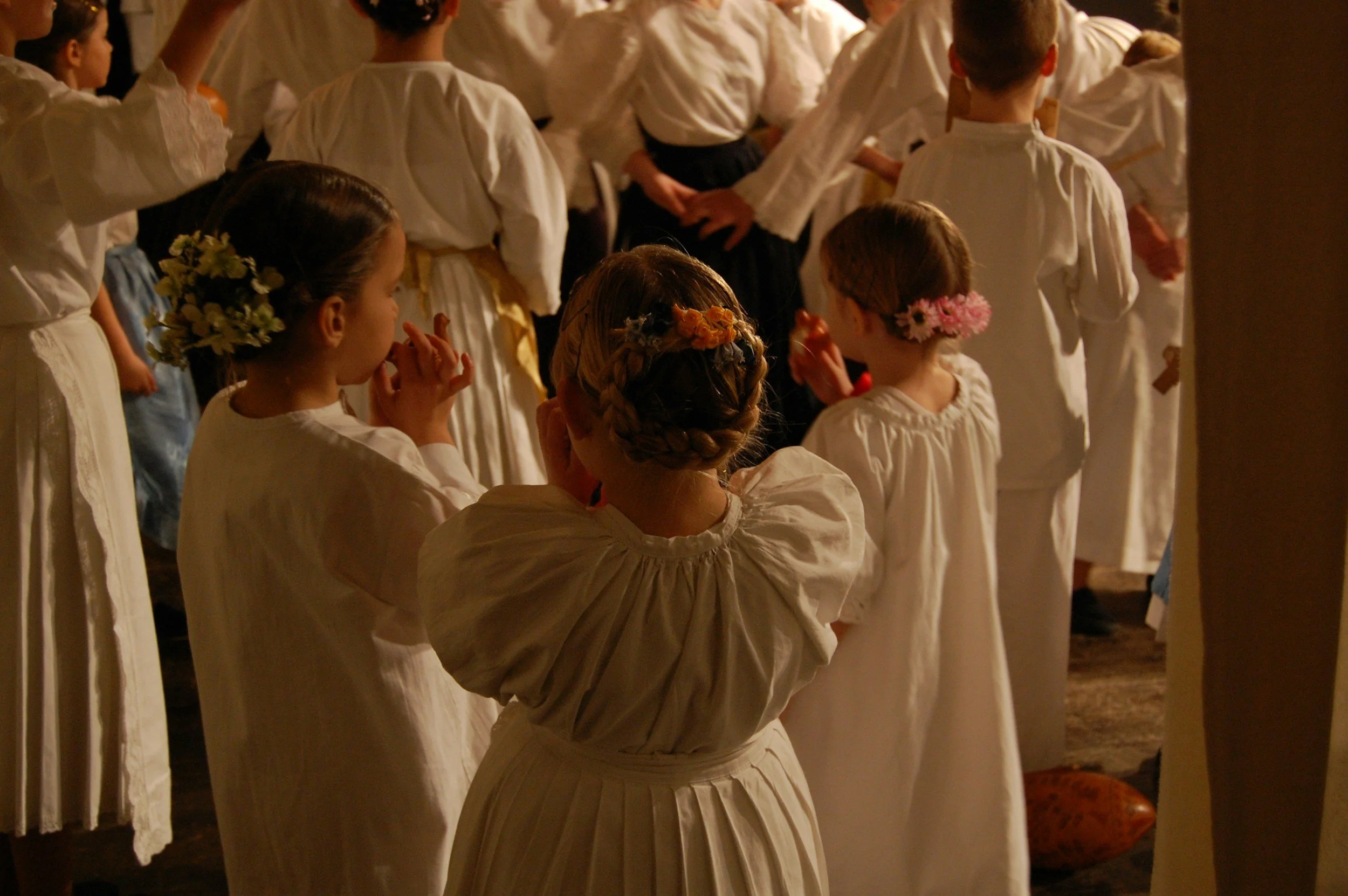
Our students will study how Hvar’s ancient communities served functional and social needs through clothing — from the skins of pre-historic hunter-gatherers to the draped linens of ancient Rome.
The program begins in June with a cohort of twelve teen regenerative leaders-in-training. Read more about that program here. It will continue and gain depth in the fall with a group of about fifty children, ages two through fifteen. Learn more about our academic year program here. In both programs, this Fellow will be mentoring a team of educators. That is, he or she will not be directly responsible for sourcing, planning, and directing all of the activities associated with this project, but will instead be a strategist, technical expert, and storyteller.
From June 2026 to June 2027, children will design a collective wardrobe or reimagined uniform for the Field School community that reflects who they are and where they are. Along the way they'll develop real hands-on skills — natural dyeing, visible mending, upcycling, and basic pattern-making.
The result is clothing that reinterprets ethnography and zero-waste textile practices as contemporary youth fashion.
WHO WE’RE LOOKING FOR
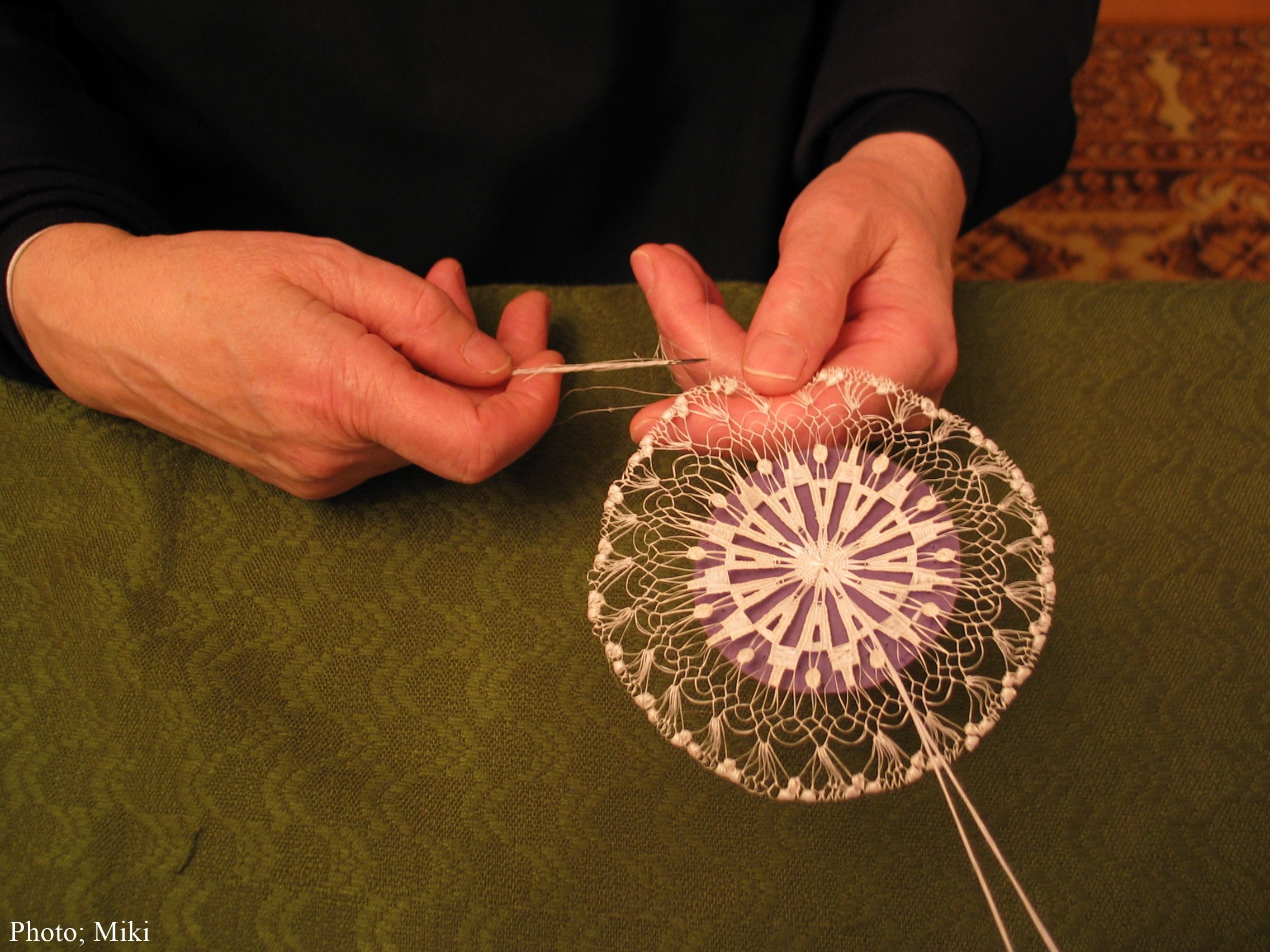
The right fellow is a practitioner — someone with genuine depth in one or more of the crafts that make zero kilometer clothing possible: natural dyeing, visible mending, upcycling, sustainable sourcing, or the history of dress and material culture. You might be an arts educator, a textile artist, a slow fashion educator, or a designer who has built a practice around making clothing mean something again. We're particularly drawn to people who know how to make a child feel proud of what they've made — and excited about what they're wearing.
NOMINATE
If someone comes to mind when you read this, please share this page or send us their name and a line about why you think they'd be a good fit. If this sounds like your kind of project, we'd love to hear from you directly.
There's no formal application — just reach out to Field School Director Carolyn or book a call.