A homebase
for travelling families
An outstanding blend of structured academics and place-based learning. An idyllic seaside village with all the amenities for long-term stays. Robust peer groups and a community grounded in shared values. You’ve found the perfect launchpad for a gap year, a move to Europe, or a worldschool lifestyle.
Spring on Hvar
March 13 through June 5, 2027
Dominion
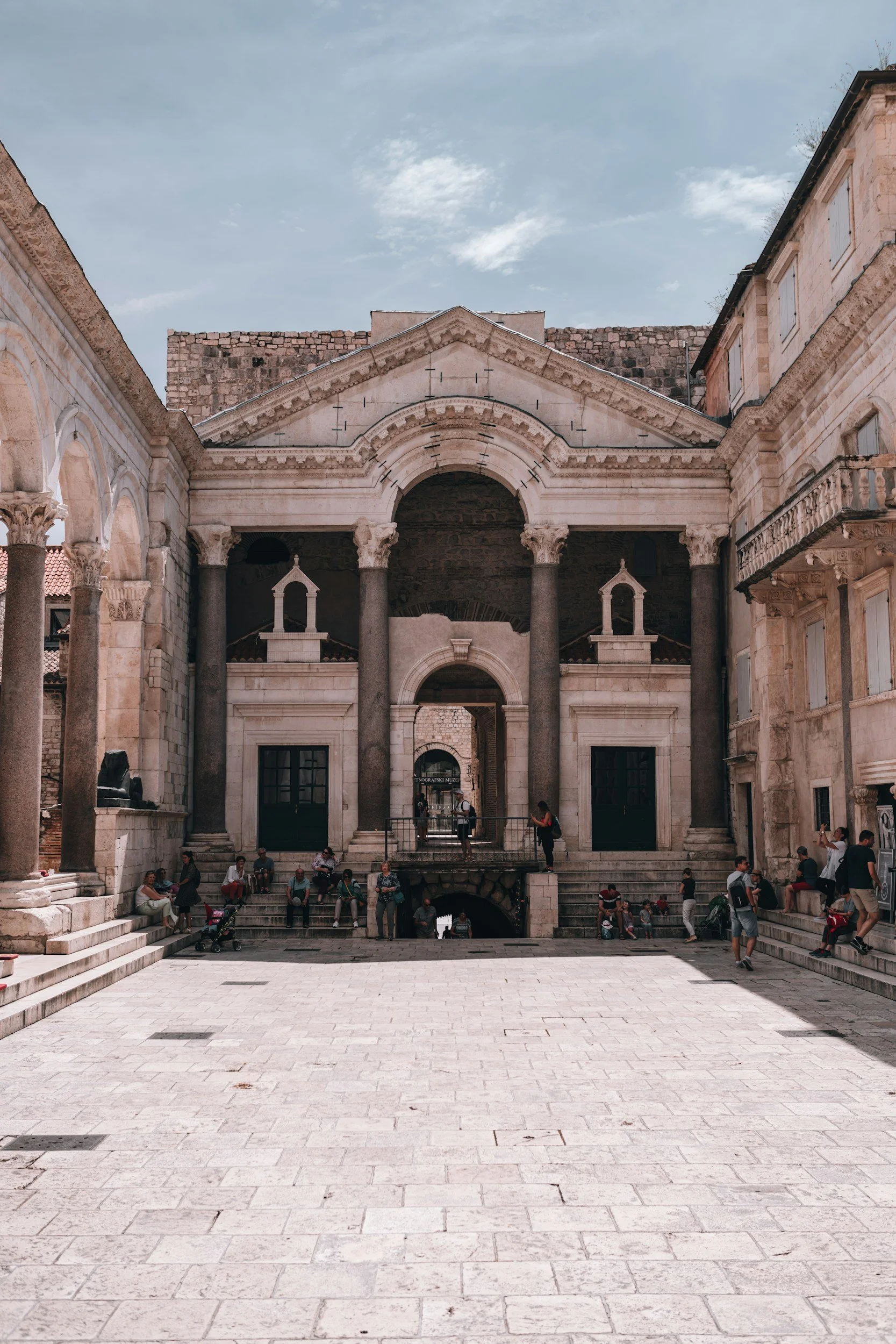
A portent of the modern world, Rome haunts us with its grandeur and brutality, cascading forward through history into our own institutions and notions of statehood. This spring, we trace the architecture of power in both directions: how people impose order on the earth through farming, reason, and empire — and how nature, spirit, and community sometimes push back.
The Program
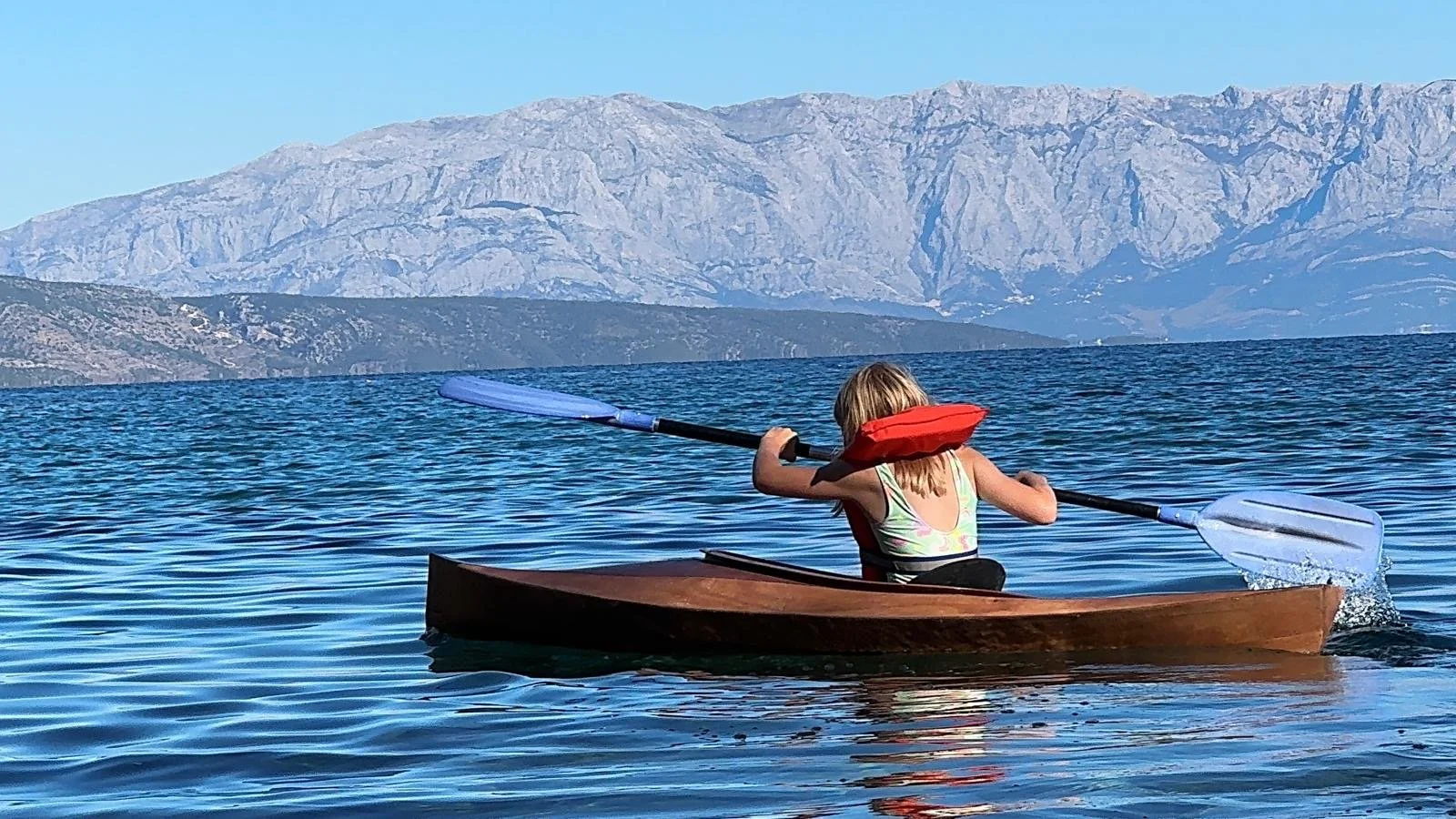
Surrounded by the crystalline Adriatic and soaring Dinaric Alps, Hvar in spring is fresh and full of life. The sun shines hot and clear on edible plants and village squares returning to activity, while cool shade invites hikers and climbers to explore hidden trails. By summer, the island will be golden dry and full of visitors, but in the spring, the island’s secrets reveal themselves to a special community of international families gathered to explore the past and future in an unforgettable setting.
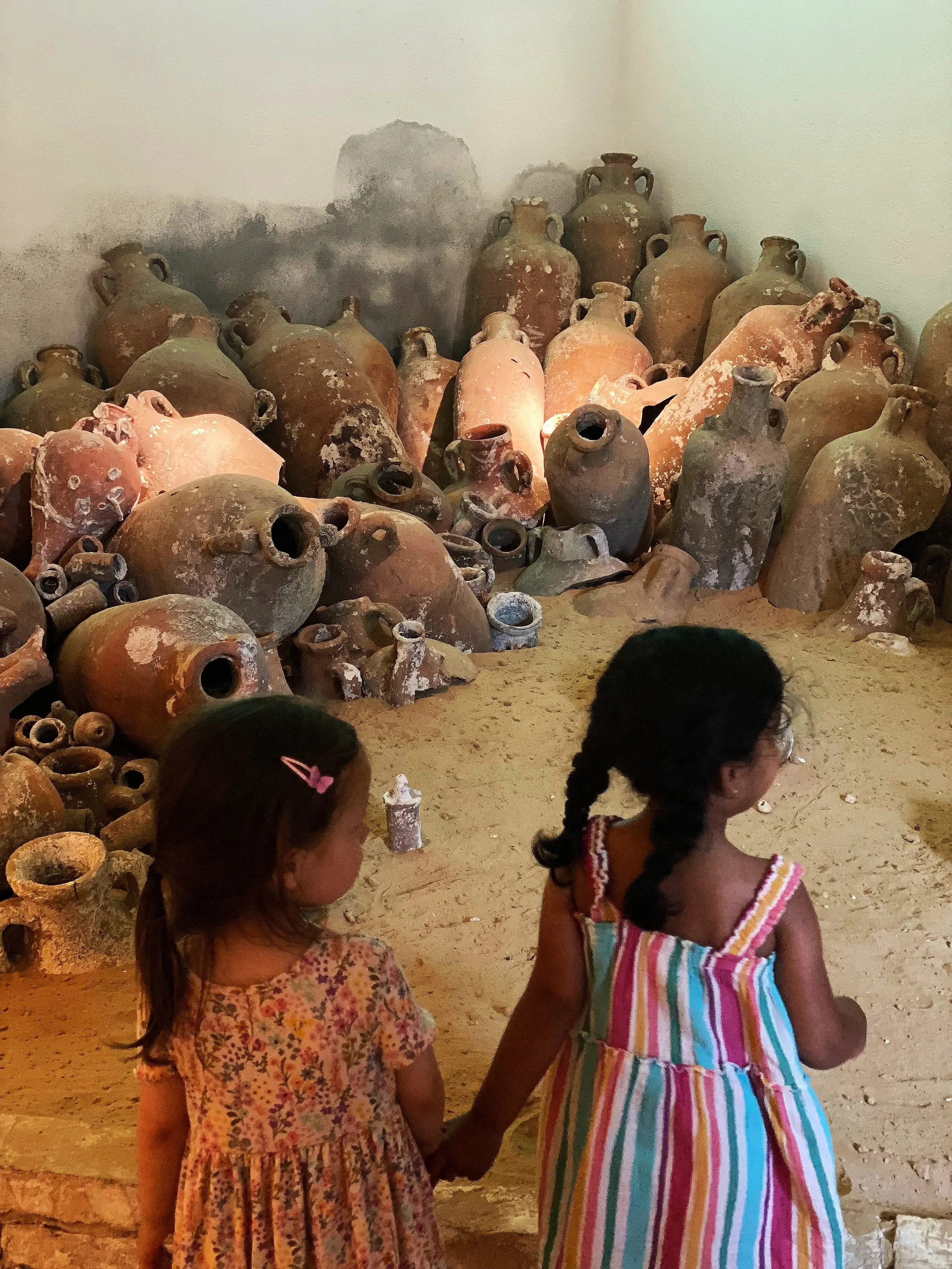
Language Arts Time is dedicated every day to reading, writing, and the enjoyment of words. In spring, we will be looking at the pomp of empire from the “nosebleed seats” — the provinces and regional capitals which were the supporting actors in Rome’s grand story, and the main characters of their own. The freed slave Phaedrus serves fables with political piquancy. Apuleius spins a picaresque of unruly magic and mischief in North Africa. Our oldest students encounter an anthology of voices from the empire's edges, such as Ovid mourning exile; Tacitus’ records of conquest; and selected passages from the New Testament, documenting a resistance movement born in a province like Dalmatia, among another ancient people awaiting the return of their king.
Mathematics Numbers are a language of thought. Math is a daily practice at Field, integrating theory and hands-on practice. Younger learners work with Wild Math, a curriculum that builds number sense through nature and daily life. They put skills to use cooking and managing business calculations for their Field Store project. Older students play with Archimedes, and then round out the season with quantitative reasoning about natural observations through the Wild Wonder program. Throughout, we will be asking: where do numbers come from? Are they inherent in nature, a human construct, or something in between?
Science As nature comes to life around us, we will be asking: What animates us? Where does life come from? How do we know? Younger children will hone their investigation with the curriculum, Building Foundations of Scientific Understanding, a respected inquiry-based program, while older students will question and test alongside Aristotle, who formed his massively influential science of nature on an island not unlike Hvar. Together, their core practicum will be the school garden, especially its nursery.
Social Studies Dalmatia was a vibrant node in the Roman Empire, and often a seat of turmoil— from the legendary Illyrian pirate queen Teuta to the doomed final Emperor of Rome, who ruled from the mainland city nearest Hvar. Learners will get to know the chronology and pivotal actors of the age through The Story of the World, a history spine text, while visiting the vibrant mosaics, palaces, and fortresses that testify to Roman influence on Hvar. Throughout, they will develop their Zero-Kilometer Schoolwear project by studying the meaning of apparel and presentation in the ancient world, as well as the materials and economies that produced it.
Mountains
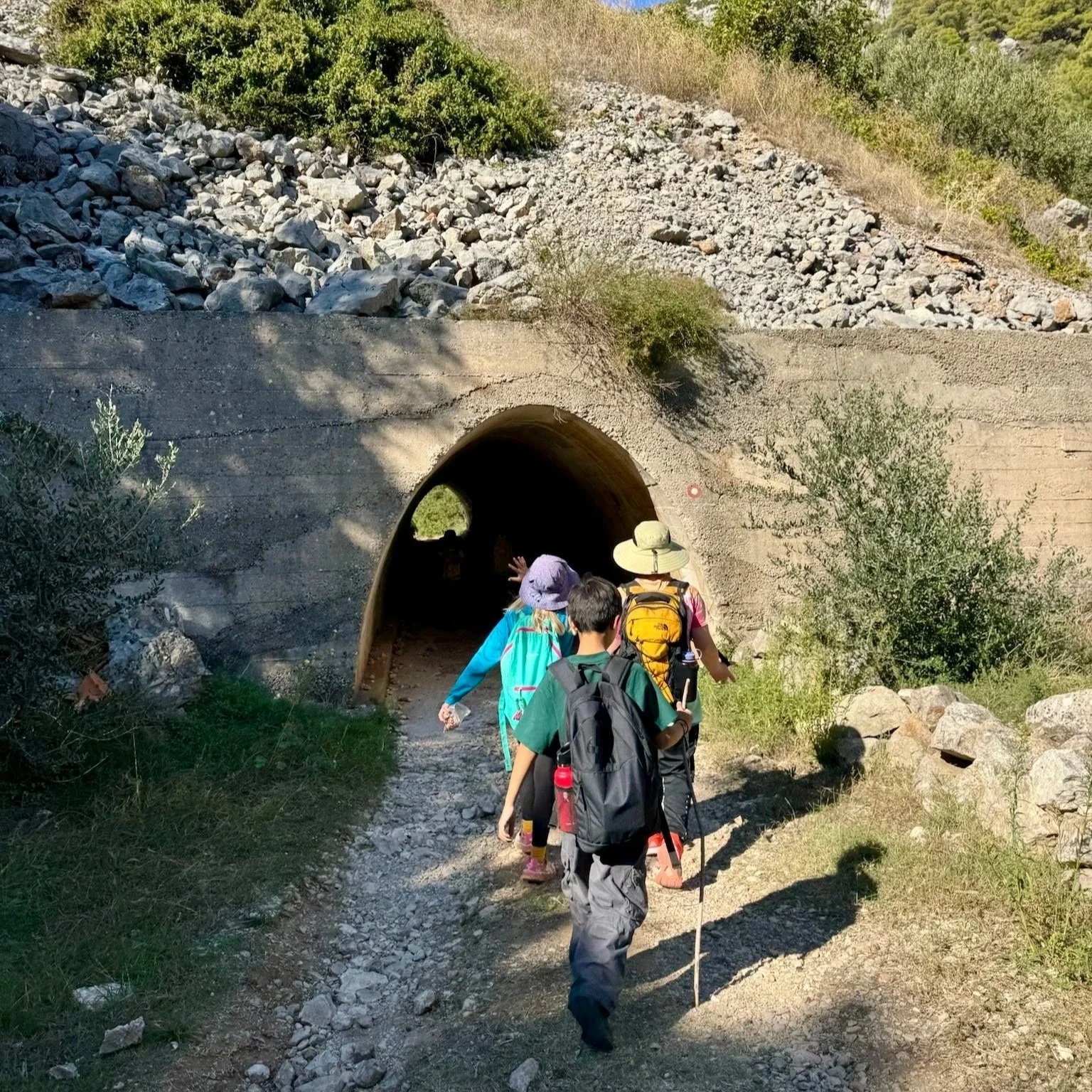
Hvar's interior is not what people expect. Behind the turquoise shore and cobbled streets, the island rises into a spine of dramatic ridges, sea cliffs, and long karst trails with views that stretch to the mainland and the blue beyond. All of Field's older learners take a day each week to build their mountaineering and climbing skills with qualified guides, moving from basic footwork and route-reading to multi-pitch ascents as the session progresses. It is not a sport. It is a practice — of patience, attention, physical courage, and the confidence that comes from knowing your own body in a wild place.
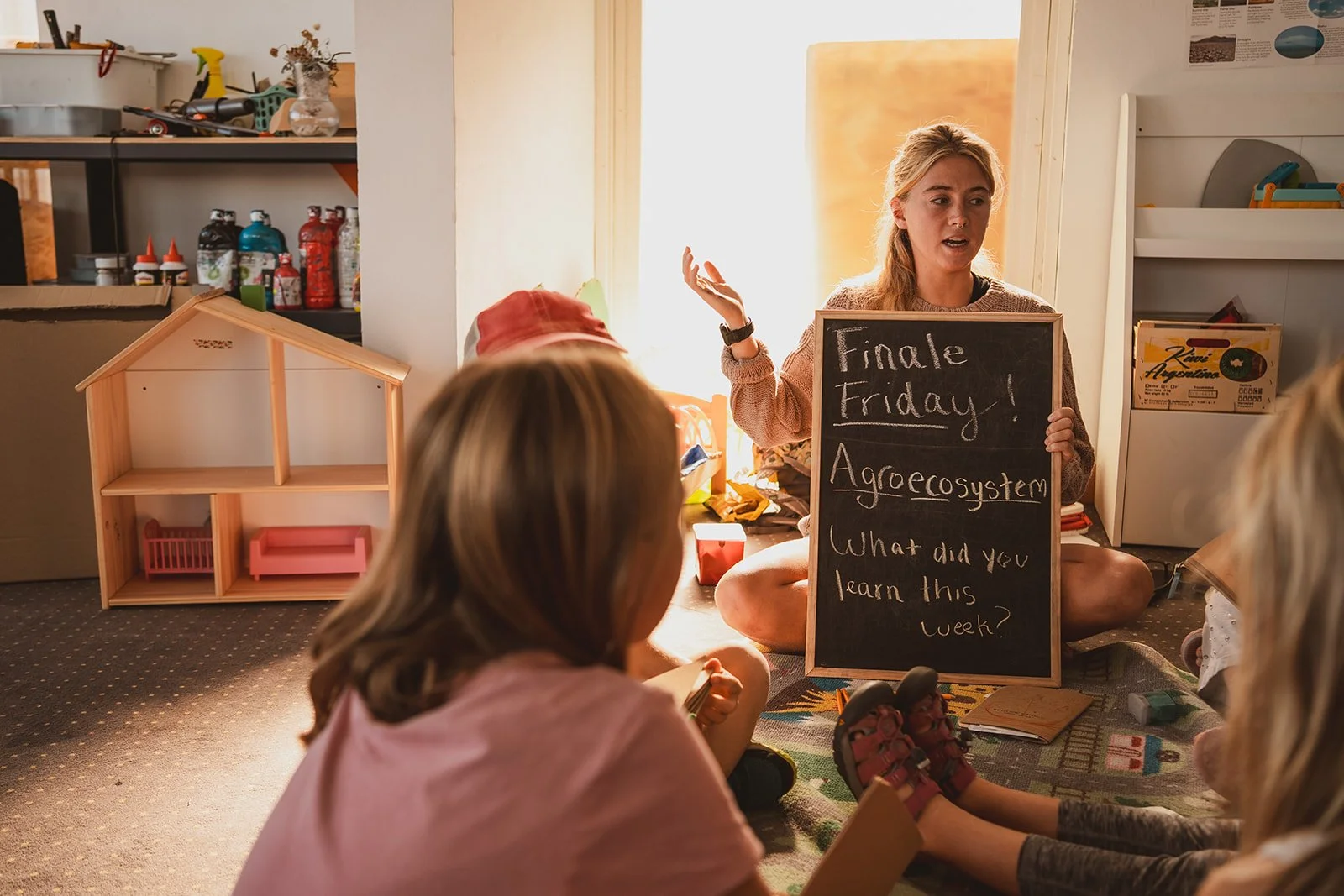
Ages and Groups
We will serve a maximum of 56 children ages 2 through 15. Groups are as follows:
Early Years: 6 children ages 3 and 4
Kinder: 6 children ages 5 and 6
Lower Primary: 8 children ages 7 and 8
Upper Primary: 10 children ages 9 and 10
Middle: 12 children ages 11 through 12
Secondary: 14 children ages 13 through 15
Groupings are made by age rather than any personal characteristics of each child, and may shift slightly based on enrollment. For math and literacy, children are clustered by learning level so that every child is appropriately challenged. Older learners sometimes select their own groups for projects and activities.
Each group is led by a childcare professional — either a certified teacher with experience in progressive learning settings or an educator with specific skills in outdoor learning or artisanship. Learn more about our faculty.

A Typical Day
9am — All-School Circle The day begins together with a Croatian song, basic vocabulary, and a moment to settle before breaking into skill-based groups for math and language arts tutorials.
12pm — Lunch A simple, healthy meal, eaten in the learning center or outside. More conversational Croatian. A little free time.
1pm — Projects Two afternoons each week are science-focused — in spring, this means garden work, plant anatomy, and the study of wild plants. Two afternoons are centered on social studies: local visits, apparel history, and discussion of Rome. Learners form small groups and spend several weeks developing a response to a prompt, supported by academic instruction, coaching, and field trips to cultural sites across the island.
4pm — Extracurriculars Fridays end in a school assembly; the final Friday of the spring session is a full-day celebration for parents and children. On other evenings, learners may join clubs hosted by Field School parents, faculty, or the local community — rowing, theater, dance, judo, piano, folk dancing, and more.
Field TripsOne day a week is dedicated to outdoor athletics, with a focus on climbing and mountaineering on Hvar's limestone ridgelines and sea cliffs. Younger children have a "forest school" day on the uninhabited island of Zečevo or a guided walk on Hvar's hillsides.
Community
Family life as it should be
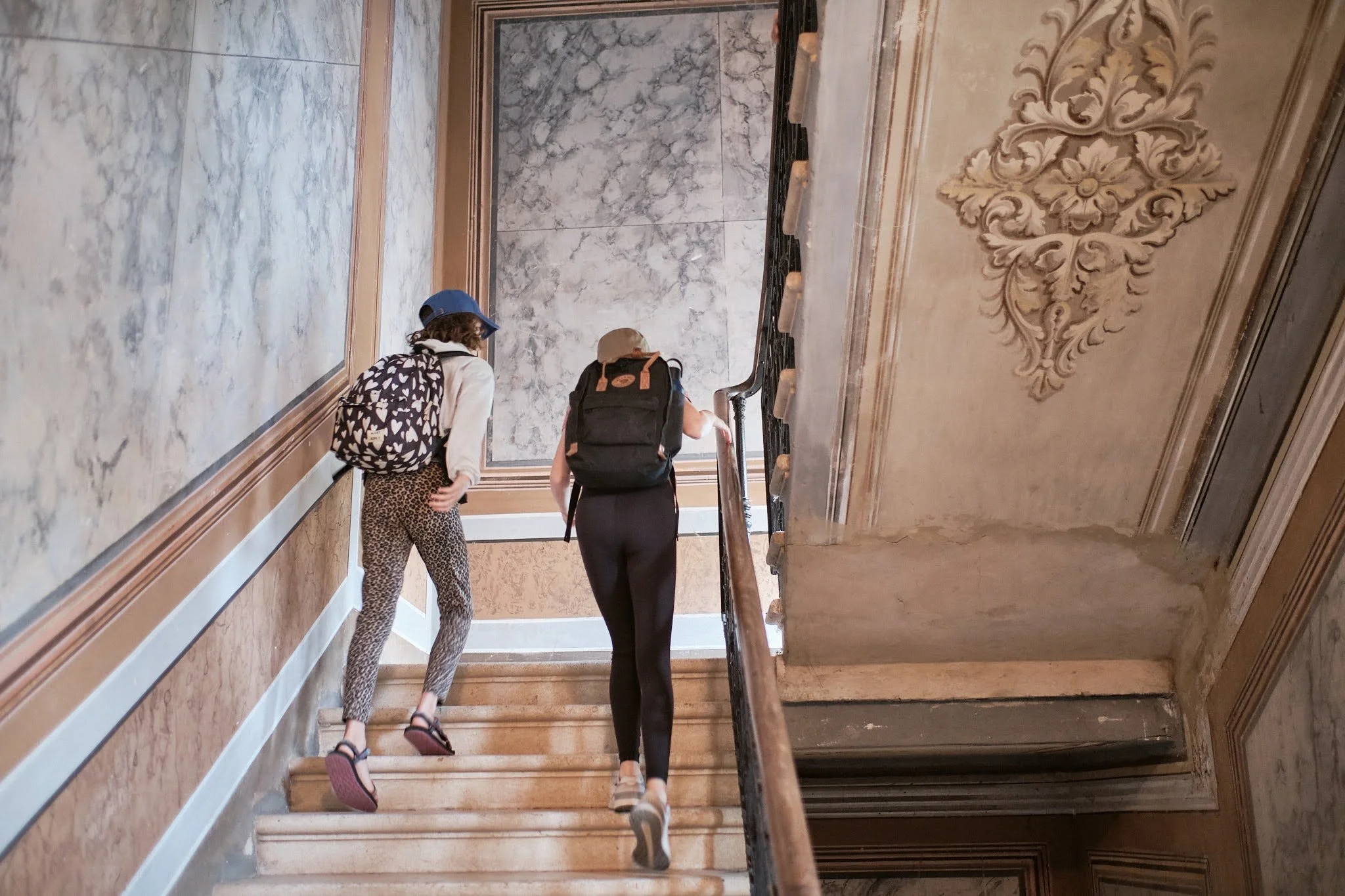
A Family Coliving VillageKids and parents all work in the same building — parents in the coworking lounge, children in the learning center next door. Families live in clustered apartments, close enough for spontaneity, private enough for sanity. Serendipitous interactions transform strangers into friends, and friends into an extended support network for life's big and little moments. Field is not an intentional community. It doesn't need to be. It's a village.
Contribution over ConsumptionField's culture emerges from the hobbies, skills, and generosity that families bring to it — a pasta-making workshop, a friendly gesture, an apertivo on the terrace. The school provides a platform. We host workshops, family outings, and excursions. But the culture and community are what our families make it.
Digital DetoxField is, as much as possible, screen-free. There are almost no screens in the academic program. In our community contract, parents agree not to allow children access to phones, games, or internet-connected devices outside of school hours — not as a puritanical rule, but a practical one: it ensures no child is ostracized for not having the latest device, and that there is always another kid ready to play. Screens exist at Field. They just don't run the place.
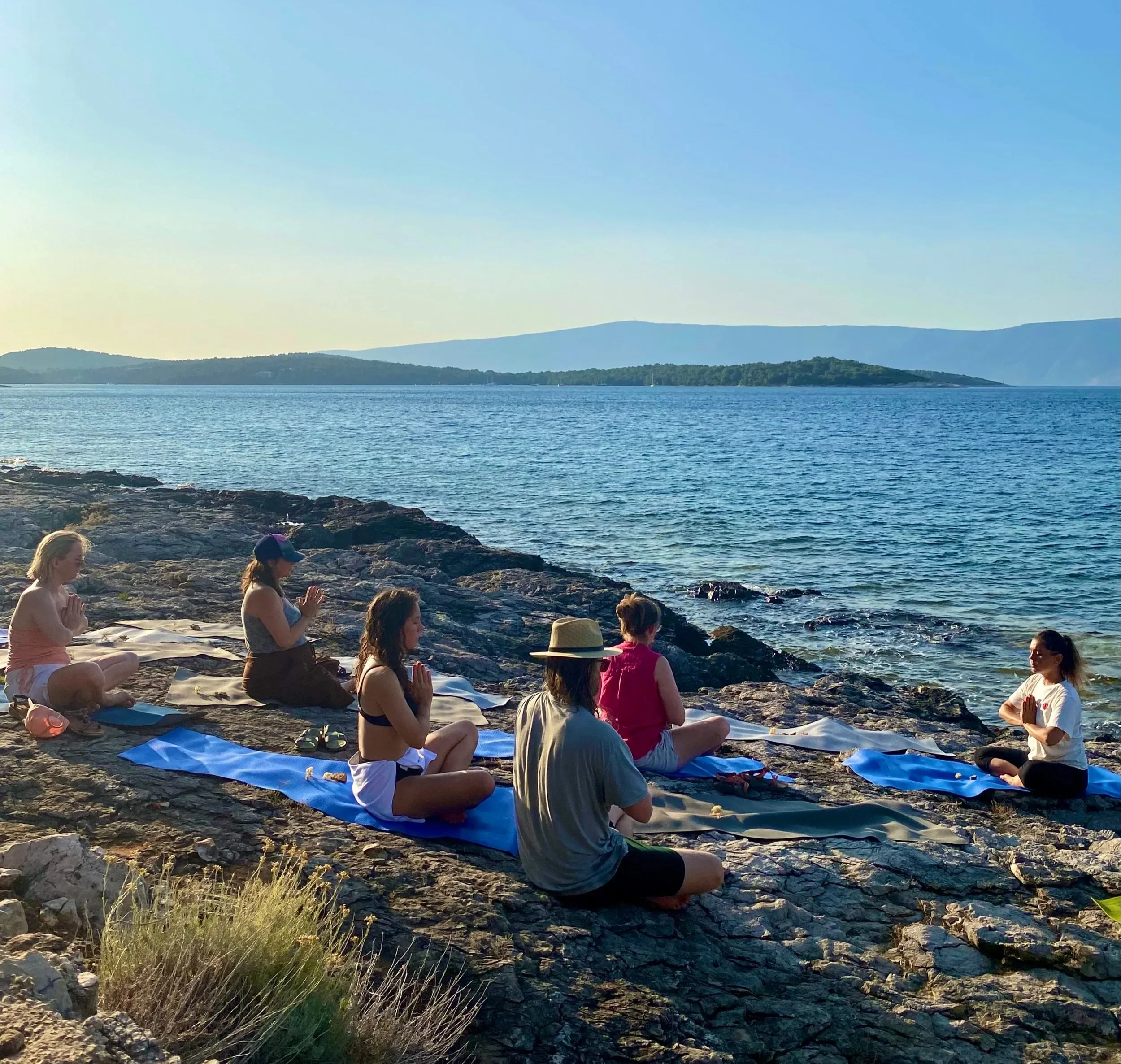
Coming Home
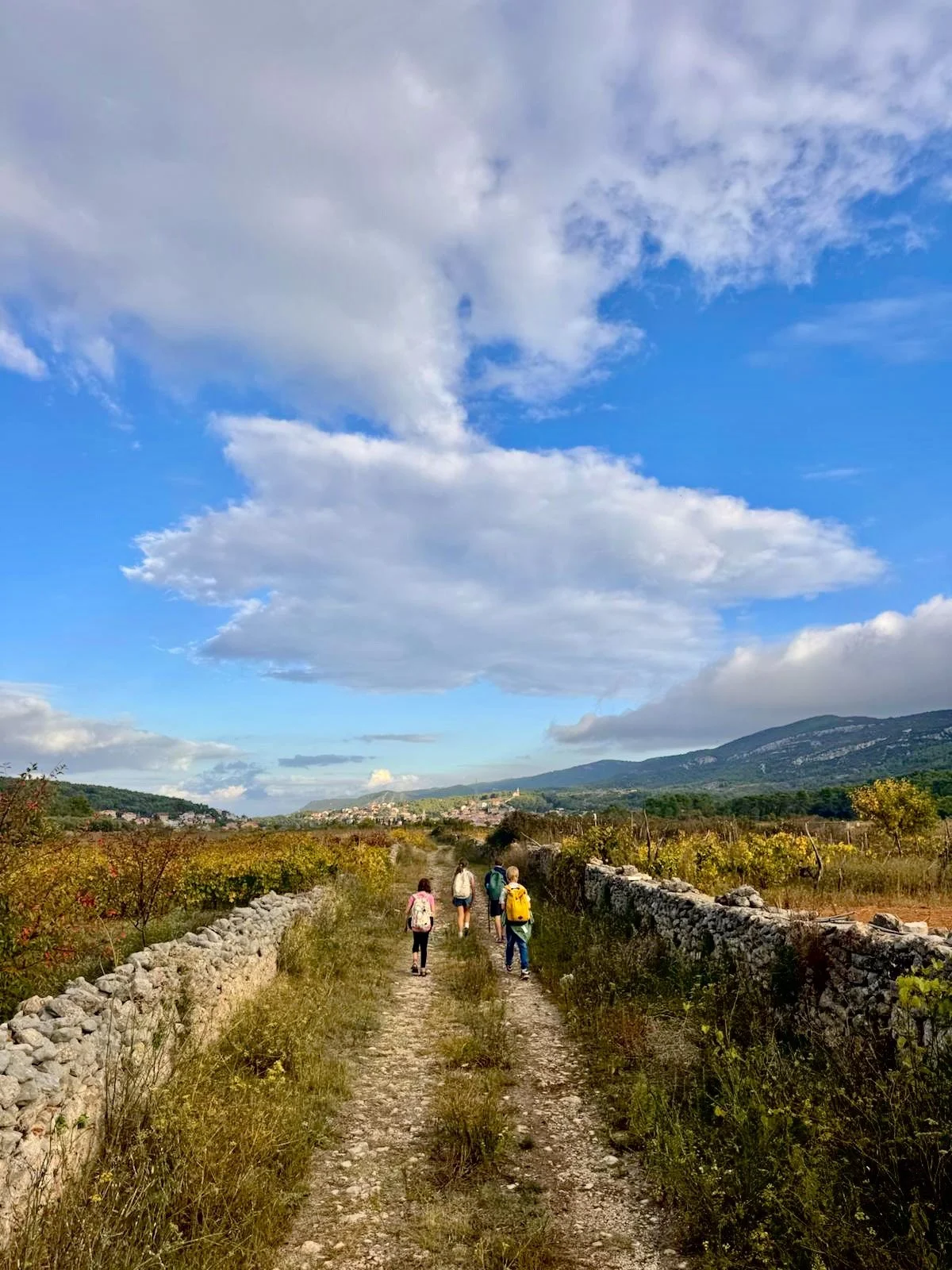
Nearly two hundred families have come to Hvar for Field School. Nearly all have left changed. The air is clearer here. The sea is bluer. There is a feeling that comes with adding your story to ten thousand years of human history — and it is hard to explain until you've felt it.
But the more practical question is: could you live here? The answer, for most families, is yes — more easily than you might expect.
The school is centered in Jelsa, a small town surrounded by villages, with the historic city of Stari Grad nearby. Strollers are ubiquitous. Playgrounds are full. The island has ten thousand year-round residents and all the services that implies: dentists, pharmacies, grocery stores, mechanics.
For anything the island doesn't have, there are daily ferries to Split — a city of half a million with an international airport — an hour away. Croatia is an EU member state with one of the lowest crime rates in the world. Almost every adult under fifty speaks English.
The island also happens to have the most UNESCO Heritages of any island in Europe, endless outdoor recreation, and a pristine quality of life that larger, more famous destinations lost decades ago. This is the Europe of story books and vintage travel posters; the Mediterranean as it once was.
Fees &
Discounts
Tuition
Tuition is €3,600 per child for the fall session — twelve weeks, all field trips and excursion costs included.
+++
Annual DiscountFamilies who enroll in both fall and spring sessions receive a 50% discount on general tuition.
For these “academic year” families, there is an additional one-time enrollment fee of €1,000 for the family, and an annual student capital fee of €1,500 per child.
For a single-child family, this works out to be a 15% discount in the first year, and a 30% discount in subsequent years.
Larger FamiliesFor “academic year” families, fourth or more siblings attend at half price or €300 per month, plus books fee.
Other Costs
HousingApartments with The Field School’s accommodation partner start at €1,120/month and vary depending on size and configuration. Families also have the option to rent an apartment independently, which may offer savings, particularly for families who plan to stay for a longer period of time.
MealsMeals are not included in tuition. Families may pack their own lunches and snacks or purchase a simple school lunch.
Cost of LivingCroatia ranks twenty-fourth of forty-one European countries for cost of living, right below Spain and slightly higher than Portugal. Private healthcare is inexpensive and online retailers like Amazon and Ikea deliver to the island.