
Key Projects
for 2026-27
The Field Store
Plant-based Pleasures
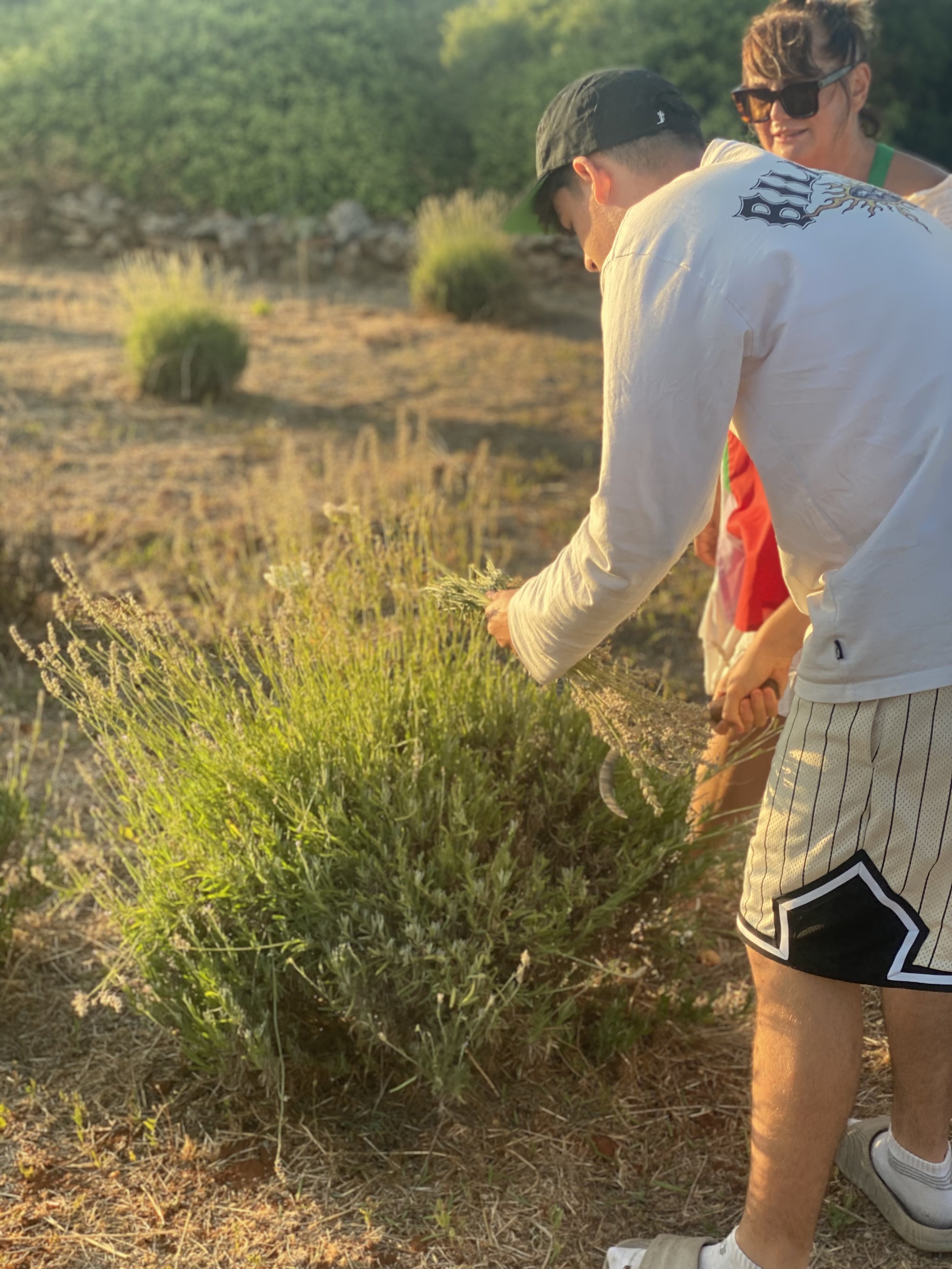
Context: The craft and gastronomic traditions of Dalmatia are similar in depth to those of rural Italy, but much less known. With the growth of tourism, artisanship has taken a backseat to more profitable forms of work, but without those unique cultural assets, Dalmatia loses its luster as one of Europe’s premier tourism destinations.
In luxury products and experiences more broadly, quality has fallen precipitously with techniques of global mass production and the democratization of luxury. There is a market opportunity for products made with skill, effort, and meaning.
Local Problem: There are still many craft producers on Hvar and in Croatia more broadly, but they struggle with marketing. Outside of wine and olive oil, local products are only sold on the island, and these haphazardly. Visitors on Hvar cannot easily discern high quality, hand-made products from imported dupes. Consequently, producers rarely achieve a scale that allows them to make a living solely from their craft, let alone to build a team.
Solution: Social entrepreneurship and crafts are both excellent educational experiences for children and young people. These activities can also constitute a fantastic career or side project for adults. The Field School will bring these activities into its curriculum and program, acting as a training center, hub, and umbrella brand for outstanding products generated by the island community. Here are the four elements, which we aim to cultivate over time:
A global niche luxury brand centered on the Field concept of “family life as it should be,” offering snacks, cosmetics, toiletries, and home goods for kids and adults that are pleasurable, healthy, and rooted in the phenomenal heritage and beauty of Hvar.
Integration of craft and entrepreneurship in our school curriculum. Teaching science through hands-on fermentation or ethnobotany projects. Learning entrepreneurial skills of market research, product design, budgeting, and strategy through a “lemonade stand” on steroids.
An accelerator program for Field parents and local adults, providing legal, accounting, branding, and operational support for new artisanal ventures.
Leveraging existing local assets, a production workshop for international packaging, distribution, and sales, so that artisans can focus on craft rather than logistics and customer service.
2026-27 Goal: This is a multi-year project. In the immediate academic year, Field learners will produce a range of regenerative snacks - fermented, dried, and pickled treats foraged from Hvar’s landscape.
Plan
Community, Field Baskets
The Field School of Hvar will offer baskets of local goods to enrolled families as a convenience and introduction to the island’s craft culture. From this small pilot, we will assess demand and build relationships with producers.
Summer, Healers
Children ages 5 through 12 in our summer Healers track will produce snacks from foraged or garden ingredients, such as foraged sea salt, sun-dried tomatoes, and pickled capers. In this way, we will start to develop an inventory and portfolio of seasonal items, produced in a way that integrates culture, science, and joy.
Academic Year, Field Store
As in the summer, younger learners will study biology and ancient civilizations through projects where they create non-perishable pantry items. Parents and other community members will also be invited to participate. Older learners will develop entrepreneurial and leadership skills by standing up a social venture over the course of the year: crafting a brand, writing a marketing strategy, and taking responsibility for day-to-day operations and fulfillment.
Related Roles
Faculty
In the summer, our “Healers” guide will work with our learners to refine a collection of seasonal recipes incorporating foraging, gardening, and preservation as well as local culture and history.
In the fall and spring, our Elementary and Secondary level Math teachers will use food preparation and business management as hands-on practice for academic skills.
Fellows
A Foodways Fellow will work with faculty and learners during the academic year to dig deeper into the connection between food and culture, as well as to offer expert guidance on specific heritage cooking skills.